
gwpatriot.com – Website RIKVIP uy tín duy nhất

Rất nhiều khuyến mãi hấp dẫn đang chờ bạn.
Truy cập tham gia chơi nhanh ngay tại RIKVIP ngay nào!
gwpatriot.com – Website RIKVIP uy tín duy nhất
Rất nhiều khuyến mãi hấp dẫn đang chờ bạn.
Truy cập tham gia chơi nhanh ngay tại RIKVIP ngay nào!

Live Casino
Game Bài
Nổ Hũ
Lô Đề
Slot
Game Nhanh
Rikvip là địa chỉ cung cấp trò chơi giải trí đổi thưởng có đã có chỗ đứng vững chắc trên thị trường Việt Nam nhiều năm qua. Cổng game không ngừng nâng cấp các hạng mục tính năng trong hệ thống điều hành và triển khai nhiều sản phẩm cá cược đáp ứng mọi nhu cầu của khách hàng. Nếu là người mới và muốn hiểu hơn về địa chỉ thì bạn hãy tham khảo chia sẻ được cập nhật sau đây.
Mục lục
Đối với những tay chơi game đổi thưởng online chuyên nghiệp chắc chắn không còn xa lạ gì với cái tên Rikvip. Thương hiệu chính thức thành lập vào năm 2017 nhưng đã tạm ẩn mình và để phát triển mạnh mẽ hơn nữa sau khi tái xuất. Vào năm 2020 cổng game trở lại với sự đỡ đầu của nhà phiệt Mỹ lừng danh thế giới với sự đầu tư kỹ lưỡng vào tất cả các hạng mục.
Nhờ vào nguồn lực kinh tế vững mạnh cùng quá trình tìm hiểu thị trường cẩn thận nên Rikvip ngày càng trở nên chỉn chu hơn. Hệ thống máy chủ được đặt ở nước ngoài, kết hợp giấy phép kinh doanh hợp pháp từ tổ chức bài bạc quốc tế. Nhờ vào những điều này nên người dùng hoàn toàn có thể yên tâm về sự an toàn cũng như tính giải trí đổi thưởng lành mạnh bậc nhất thị trường hiện nay.
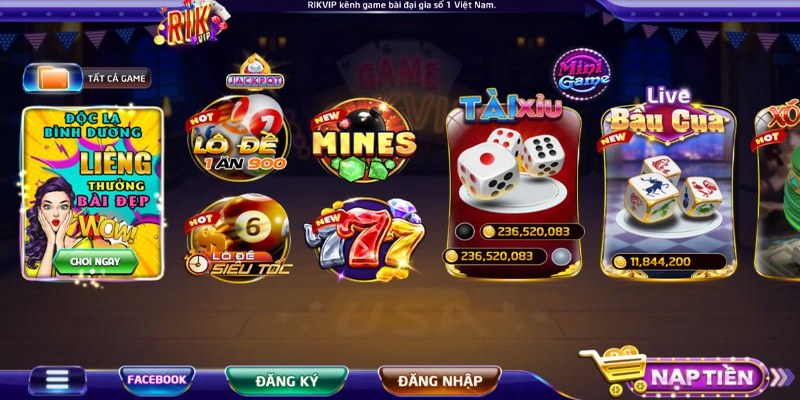
Không phải bỗng nhiên mà cổng game lại có lượt thành viên tham gia đông đảo như thời điểm hiện tại. Đây chính là thành quả của quá trình nỗ lực phát triển không ngừng của toàn bộ hệ thống sân chơi. Nhờ vậy những thành viên đã từng tham gia vào địa chỉ này luôn dành cho thương hiệu những đánh giá tích cực qua các hạng mục như:
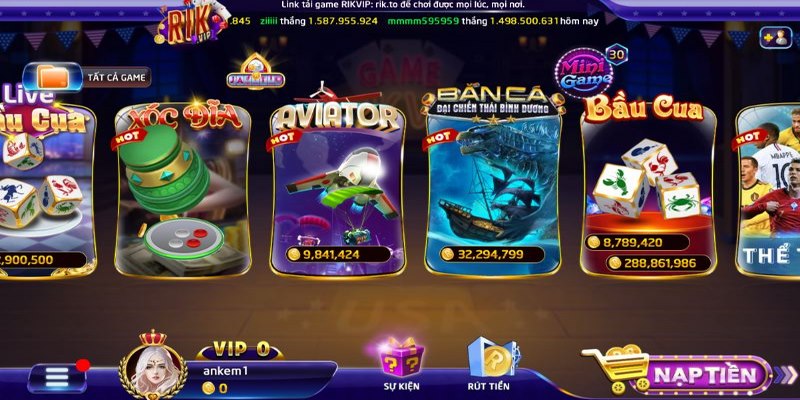
Một trong những ưu điểm được người dùng đánh giá cao về cổng game Rikvip chính là hệ thống giao diện. Với gam màu tím hồng tạo nên cảm giác tươi trẻ và thân thiện giúp anh em tham gia trải nghiệm trò chơi mang về nhiều may mắn. Nếu bạn bước sâu vào bên trong sẽ cảm thấy hứng thú cao độ với hàng loạt tựa game được bày trí khoa học.
Các tính năng cần thiết trong sân chơi được sắp xếp gọn gàng ngay trên giao diện chính giúp bất kỳ ai cũng dễ dàng tìm kiếm hạng mục mong muốn. Thêm vào đó bạn có thể tải game về cả hai hệ điều hành IOS và Android để chinh phục trò chơi với dung lượng rất nhẹ nhàng và mượt mà.
Khi tham gia vào Rikvip anh em hoàn toàn có thể yên tâm về hệ thống bảo mật thông tin, dữ liệu. Cổng game cam kết sử dụng phần mềm tiên tiến nhất hiện nay và không tiết lộ bất kỳ điều gì cho bên thứ 3. Mọi giao dịch của anh em sẽ cần phải thông qua mã xác nhận OTP gửi về số điện thoại cá nhân. Chính nhờ vào điều này bạn sẽ dễ dàng kiểm soát được tài khoản và yên tâm về chế độ bảo mật.
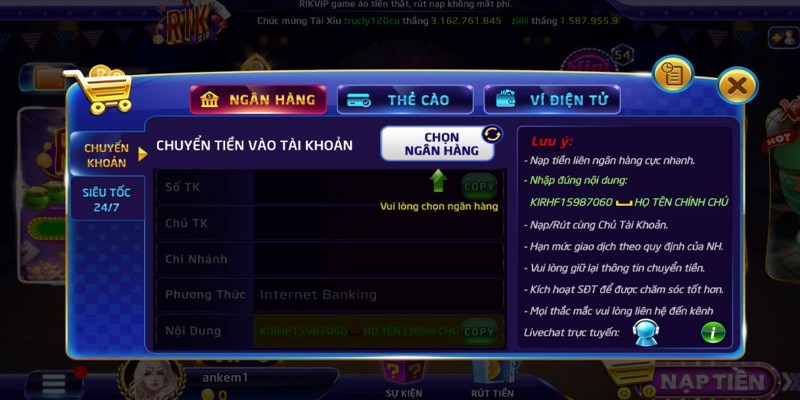
Rikvip hiểu rõ giá trị thời gian của người chơi. Vì vậy, cổng game đã thiết kế hệ thống nạp/rút tiền siêu tốc, cho phép game thủ thực hiện giao dịch nhanh gọn trong khoảng 3-5 phút. Thêm vào đó, tỷ lệ quy đổi 1:1 không mất phí càng nâng cao trải nghiệm giúp mọi người chơi tận hưởng trọn vẹn niềm vui chiến thắng.
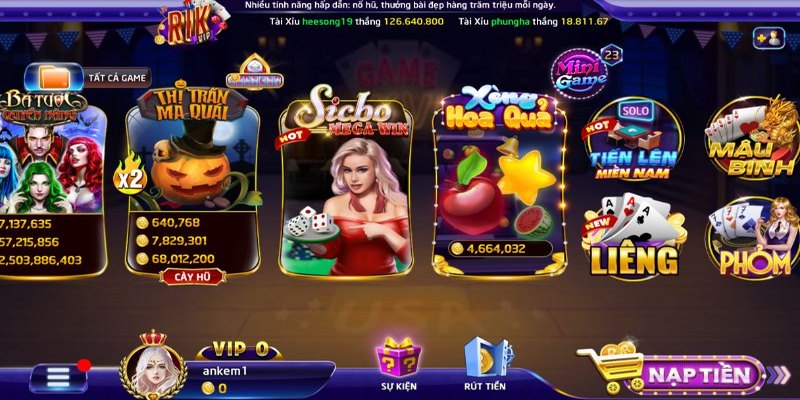
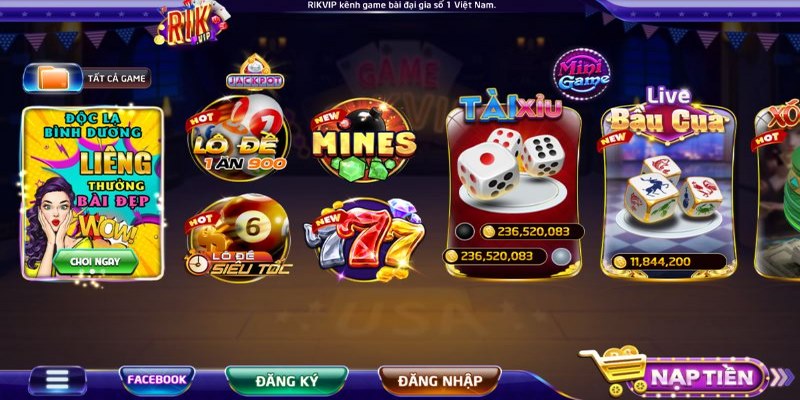
Cổng game mang đến cho người chơi hàng loạt sản phẩm đình đám từ Châu Âu đến Châu Á. Một khi anh em đã bước chân vào địa chỉ này chắc chắn sẽ tìm được trò phù hợp với mình dễ dàng và tham gia không bao giờ cảm giác nhàm chán. Sau đây là một số sảnh game tiêu biểu đang làm mưa làm gió trên thị trường với số lượng thành viên tham gia khủng.
Để thu hút tân binh và giữ chân những thành viên lâu năm, cổng game đã tung ra nhiều khuyến mãi khủng. Nhờ vào điều này thương hiệu muốn khẳng định mình không những xanh chín, sòng phẳng mà còn rất chịu khó đầu tư. Khi đến với cổng game bạn sẽ nhận những ưu đãi hấp dẫn phải kể đến như:
Rikvip tự hào sở hữu đội ngũ hỗ trợ khách hàng tận tâm, chuyên nghiệp. Bởi tất cả nhân viên ở bộ phận này đều được đào tạo bài bản, am hiểu sâu sắc về hệ thống game và luôn sẵn sàng hỗ trợ người chơi 24/7 qua các kênh liên lạc như Hotline, Live Chat, Telegram,… Chính sự chu đáo, tận tình trong dịch vụ CSKH đã xây dựng nên niềm tin vững chắc của người chơi đối với cổng game trong suốt thời gian qua.
Nếu muốn tham gia vào cổng game thì bạn chắc chắn phải đăng ký cho mình một tài khoản hợp lệ. Quy trình thực hiện rất đơn giản, bao gồm những bước cơ bản sau đây:
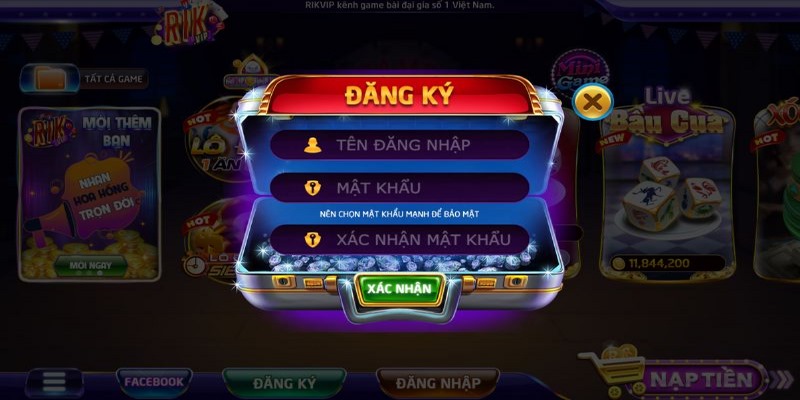
Với ai đã có tài khoản Rikvip có thể đăng nhập vào cổng game theo trình tự các bước sau đây:
Sau đây là một số câu hỏi thường gặp liên quan đến cổng game mà nhiều người thắc mắc muốn tìm lời giải thỏa đáng.
Trên thực tế, cổng game này đã từng xuất hiện trên thị trường năm 2017 nhưng sau đó đã vắng bóng một thời gian do một số trục trặc về máy chủ. Sau đó vào năm 2020 thương hiệu đã trở lại nhờ sự đỡ đầu của tài phiệt người Mỹ với phiên bản hiện đại, hấp dẫn và mới mẻ hơn rất nhiều.
Hiện tại cổng game đang trả thưởng cho anh em thông qua các kênh điển hình như: thẻ cào, ví điện tử, internet banking. Tất cả đều có thời gian hoàn thành nhanh chóng với tỷ lệ đổi thưởng 1:1 nên khiến dân chơi rất hài lòng.
Nếu bạn lỡ quên mật khẩu đăng nhập vào tài khoản Rikvip thì hãy bấm vào phần “quên mật khẩu” xuất hiện trên giao diện ứng dụng. Sau đó anh em làm theo hướng dẫn của hệ thống để có truy cập vào sân chơi. Hoặc bạn có thể liên hệ qua kênh hỗ trợ khách hàng của cổng game để nhận sự trợ giúp và lấy lại mật khẩu nhanh chóng.
Bài viết trên chúng tôi đã giúp bạn đọc tìm hiểu về những thông tin liên quan đến cổng game Rikvip. Đây là địa chỉ cá cược uy tín, chất lượng đã được nhiều người chơi đánh giá cao trong suốt thời gian qua. Nếu bạn đang có nhu cầu giải trí và kiếm thêm thu nhập thì còn chờ đợi gì mà không đăng ký làm thành viên của cổng game ngay hôm nay.